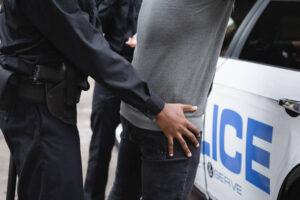

If you’ve ever watched a police show or movie, you’ve probably heard the words: “You have the right to remain silent.” These words are part of something called Miranda Rights, and they’re not just for television—they’re a real and important part of the law.
In Maryland, just like in every other state, police officers must follow these rules when they arrest someone and want to ask questions.
Miranda Rights help protect people from being treated unfairly during police investigations. They make sure that everyone knows they have choices—and that they don’t have to say anything that could hurt them later in court.
If your rights were violated during a police encounter, contact a Baltimore criminal defense lawyer for help.
What Are Miranda Rights
Miranda Rights come from a famous 1966 Supreme Court case called Miranda v. Arizona. In that case, a man named Ernesto Miranda was arrested and questioned by police without being told he had the right to stay silent or have a lawyer. He confessed to a crime, but later the court said that wasn’t fair—because he didn’t know his rights.
As a result, the Supreme Court ruled that anyone taken into police custody must be informed of their rights before being questioned. These rights are now known as the Miranda Warning, and they include:
- You have the right to remain silent
- Anything you say can and will be used against you in a court of law
- You have the right to an attorney
- If you cannot afford an attorney, one will be provided for you
These rights are based on the Fifth Amendment, which protects against self-incrimination, and the Sixth Amendment, which guarantees the right to legal counsel.
For a free legal consultation, call (410) 390-3101
When Do Miranda Rights Apply in Maryland
Miranda Rights only apply when two things happen at the same time:
- You are in custody, meaning you are not free to leave
- Police want to interrogate you, meaning they want to ask questions about a crime
If both of these are true, police in Maryland must read you your Miranda Rights before asking questions. If they don’t, anything you say might not be allowed in court.
For example:
- If you’re pulled over for a traffic violation and casually chat with the officer, Miranda Rights don’t apply
- But if you’re arrested and taken to a station for questioning, police must read you your rights first
Maryland courts take this rule seriously. If police fail to give a proper warning, your lawyer can ask the judge to suppress any statements you made during questioning.
Why Miranda Rights Matter
Being arrested is scary. People may feel nervous, confused, or pressured to talk—even if they didn’t do anything wrong. Miranda Rights are important in Maryland because they help protect people from saying things they don’t mean or don’t understand.
These rights remind you that:
- You don’t have to talk to police
- You can ask for a lawyer
- You can stop answering questions at any time
Without these protections, people might confess to crimes they didn’t commit or give information that can be misunderstood. Miranda Rights are designed to prevent that from happening.
Click to contact our lawyers today
What Miranda Rights Don’t Do
Some people think that if police don’t read you your rights, they can’t arrest you. That’s not true. Police can still arrest you if they have probable cause, which means they have enough evidence to believe you committed a crime.
Miranda Rights only affect what happens after the arrest—especially during questioning. Also, if you voluntarily talk to the police before being arrested, your statements might still be used in court.
That’s why it’s smart to say: “I want to remain silent and speak to a lawyer.” Even if you’re innocent, staying silent protects you from misunderstandings or mistakes.
Complete a Free Case Evaluation form now
What Happens if Police Violate Your Miranda Rights
If police in Maryland question you without reading your Miranda Rights, your lawyer can ask the court to throw out anything you said. This is called a Miranda violation. It doesn’t always mean your case will be dismissed, but it can make it harder for the prosecution to prove their case.
Maryland courts look at:
- Whether you were in custody
- Whether you were being interrogated
- Whether you understood your rights
- Whether you waived your rights voluntarily
If any of these are missing, your statements may not be used in court.
Miranda Rights for Minors in Maryland
Maryland law gives extra protection to minors. In 2022, the state passed Senate Bill 53, requiring that juveniles must speak to an attorney before police can question them—even if they say they understand their rights.
This law helps protect young people from making decisions they don’t fully understand. It also ensures that minors get legal advice before answering questions that could affect their future.
What Should You Do if Arrested
If you’re arrested in Maryland, here’s what you should do:
- Stay calm and polite
- Don’t argue or resist
- Say clearly: “I want to remain silent and speak to a lawyer”
- Don’t answer any questions until your lawyer is present
- Don’t sign anything without legal advice
Even small comments or gestures can be used against you. So, it’s best to say nothing at all until you have legal help.
Call The Bishop Law Group for Legal Help in Maryland
If you believe your Miranda Rights were violated—or if you’re facing criminal charges—talk to a lawyer right away. The Bishop Law Group is a trusted Maryland law firm that helps people protect their rights and fight unfair treatment.
Our experienced attorneys can help you understand your case, defend your rights, and make sure the law works for you—not against you.
Call or text (410) 390-3101 or complete a Free Case Evaluation form